Nextday Peptides: Coa Library For Study Peptides
How To Review A Certificate Of Evaluation Coa For Peptide Research Study
Therefore, a COA should be dealt with as component of the total documentation testimonial procedure, not as a standalone trust fund signal. For research study customers, a COA serves due to the fact that it adds traceability to the sourcing procedure. As opposed to depending just on item descriptions or basic cases, customers can evaluate batch-specific details such as the peptide name, great deal number, examination day, and analytical techniques used. When offered plainly, this details sustains a lot more informed decision-making.- Buyers must validate that the file plainly corresponds to the precise product being used.
- A peptide CoA offers you the information you need to confirm that your products meet particular standards.
- When a distributor describes exactly how study products should be kept or handled, it adds a lot more context to the sourcing environment.
- Every variable that could impact speculative results need to be determined and videotaped.
- Inductively Combined Plasma Mass Spectrometry (ICP-MS) supplies sensitive discovery of these contaminants at parts-per-billion degrees.
- Our Certification of Analysis (CoA) supplies in-depth paperwork of the extensive testing and quality assurance procedures applied to each peptide item.
What Is The Difference In Between Hplc And Lc-ms?
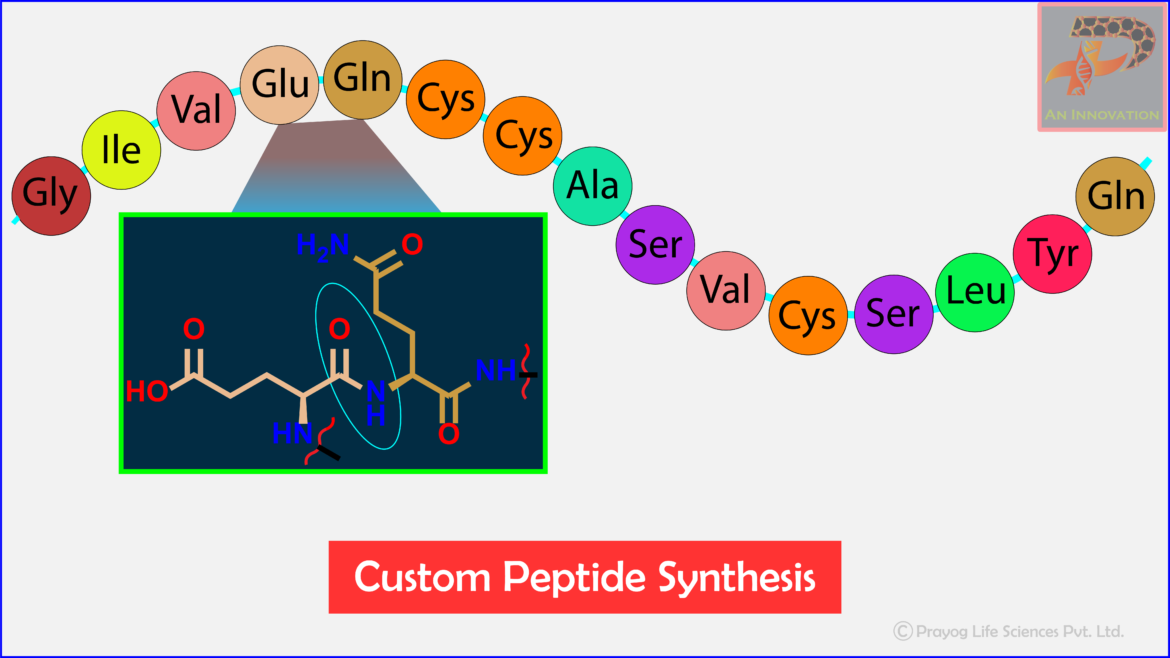
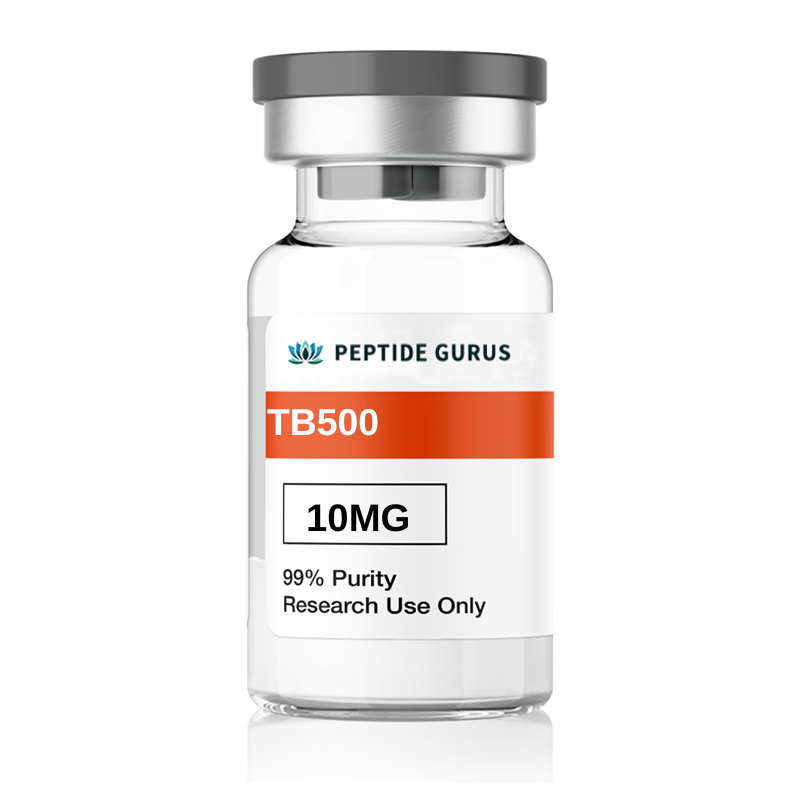
Identity screening confirms that the peptide has the appropriate molecular framework and amino acid series. The set identifier on the CoA should match the vial tag precisely. If you have a specific compound you are sourcing for research study, reach Copper Peptide out directly and we can confirm accessibility and timing. Inconsistencies in between COA information and product features call for examination. If the COA specifies white powder but the product appears yellow or brownish, or if mentioned amounts don't match vial contents, call the provider quickly. A Certificate of Evaluation (COA) confirms essential high quality characteristics for every great deal of a study peptide.A peptide certificate of evaluation is an analytical record created by a lab after a substance has undergone screening. The file sums up the results of research laboratory evaluation executed on a certain batch of a peptide research study substance. HPLC can give beneficial purity-related information, yet it does not constantly completely verify peptide identification on its own. That is why purchasers frequently seek extra sustaining approaches, such as LC-MS, when evaluating peptide paperwork.
Third-party Confirmation
The International Council for Harmonisation (ICH) Q3C standards establish acceptable restrictions for residual solvents based upon their toxicity classifications. Course 1 solvents must be stayed clear of entirely, Course 2 solvents have specific focus limitations, and Course 3 solvents are considered much less harmful with greater acceptable degrees. TFA, typically used in peptide synthesis, commonly appears at levels listed below 1% in appropriately purified products.